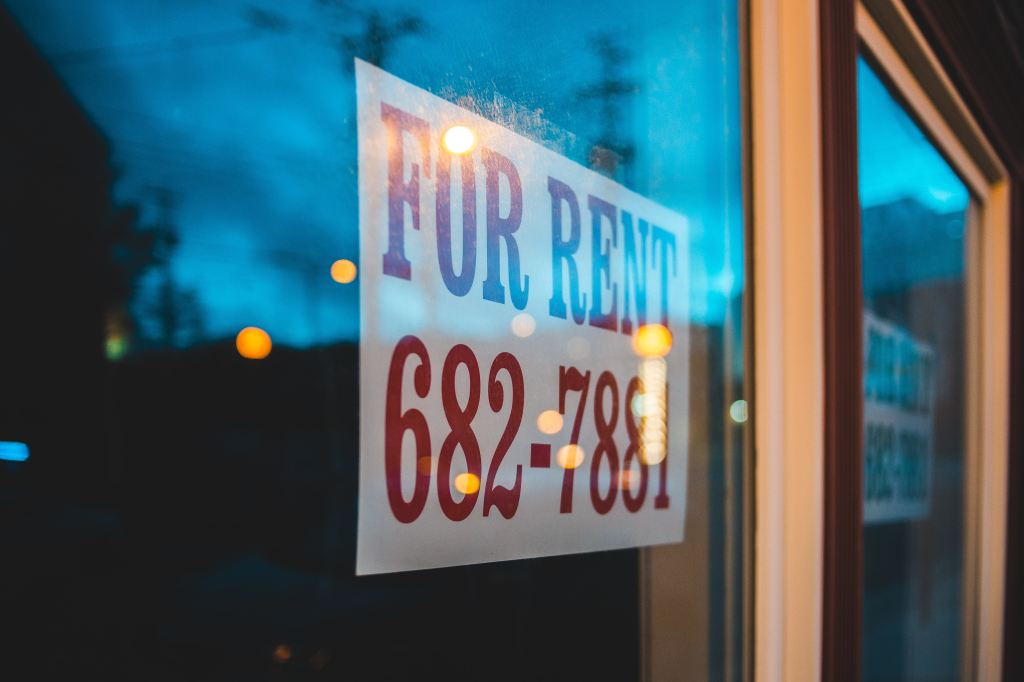
Have you heard or came across the recent distressing news surrounding the incident where it involving a rent-defaulter who was tragically locked in by his landlord and later to succumb to a heart attack? This incident sheds light on the complexities of tenant-landlord relationships in Malaysia and raises important questions about the legal consequences of these “self-help” remedies in tackling the outstanding rental or the rent-defaulter issue.
(Click here for the said details news above.)
The landlords in Malaysia commonly resort to a set of “self-help” remedies when they encountered with the tenants who default on rentals or breach the terms of their tenancy agreements due to its effectiveness and efficiency in terms of costs. These remedies include changing the locks to restrict access into the premise, cutting off the supply of utilities, and even barging into the premises to remove the tenants’ belongings from the premise. These remedies might be seen practical responses to outstanding rental. However, it often raises legal concerns, prompting discussions about the rights and responsibilities of both landlords and tenants within the legal framework.
We should take note that these “self-help” remedies are generally considered illegal and can lead to serious legal implications and consequences for the landlords such as financial penalties and even criminal prosecution. In such an instance, the tenants do have the option of lodging a report about their losses and grievances to the police. This can potentially lead to investigations, criminal prosecution, and civil compensation claims against the landlords for the relevant criminal offences and/or the grievances committed by the landlords.
This is because the legal rights of the tenants are generally protected under a tenancy agreement wherein the tenants have the rights to enjoy the exclusive and quiet possession of the premise without any interference from the landlords subjected to the stipulated conditions in a tenancy agreement.
Besides that, our statutory legislation, Section 7(2) of the Specific Relief Act 1950 even provided that:-
“where a specific immovable property has been let under a tenancy, and that tenancy is determined or has come to and end, but the occupier continues to remain in occupation of the property or part thereof, the person entitled to the possession of the property shall not enforce his right to recover it against the occupier otherwise than by proceedings in the court.”
In other words, the landlords are not allowed to take any action against their tenants without a court order even in a situation where the tenancy agreement had terminated or lapsed, and the tenants are continuing to hold over the premise.
In such a circumstance, the landlords should, firstly, seek to engage a lawyer to prepare and draft a letter of demand (such as termination notice, eviction notice, double rental notice and/or other relevant notices as the case may be) against the defaulted tenants.
The two main legal actions can be initiated by the landlords against the tenants are distress action (pursuant to Distress Act 1951) and/or recovery possession action in the event that the tenants refuse to comply with the letter of demand persistently.
- Distress action
It is a legal action where the landlords recovering the outstanding rental by taking possession of the tenants’ properties and to sell them. However, this remedy is subjected to a strict rules and regulations and the properties allowed to be seized are quite limited in nature.
- Recovery Possession action
It is a is a legal action where the landlords are applying for a court order to regain possession of the premise due to the breaches of the tenancy agreement. An arrangement can be scheduled with the court bailiffs (usually police officers) to execute the repossession order granted by the court.
In view of this we will suggest you to talk to a lawyer to choose your own appropriate legal measure against the defaulted tenant.
Please do not hesitate to contact us should you have any inquiries or require our legal assistance in resolving the disputes between landlord and tenant.
Written by: Yap Jian Zhi, Nicholas
Edited by: Low Chee Hau, Melvin
Note: This article does not constitute legal advice in any case. The facts in each and every case will differ and you can contact us for complimentary legal advice.
 LOW & ZHI ASSOCIATES
Leave a comment